TUTORIAL Components The GUT Microbiome
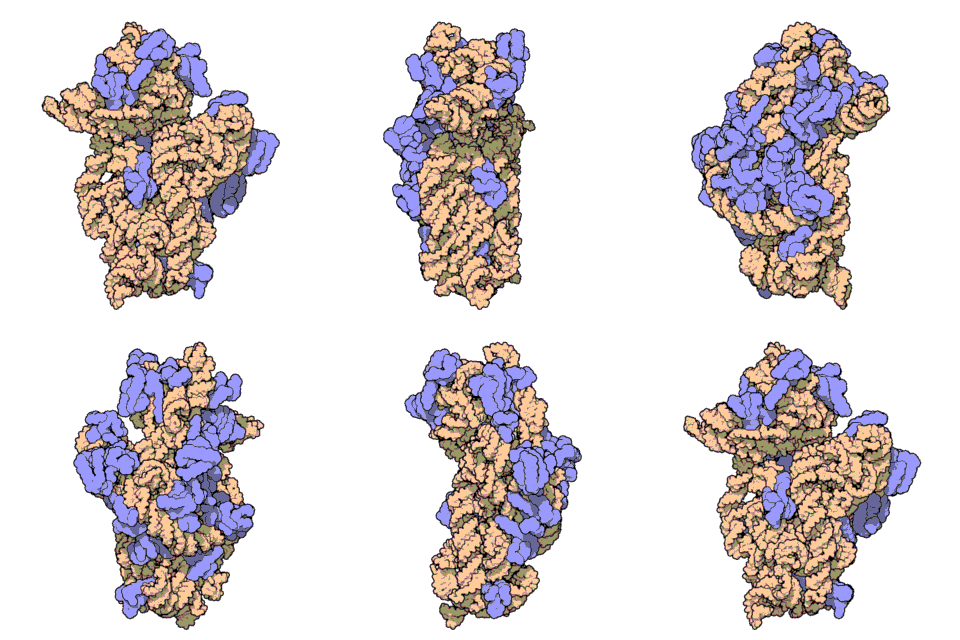
a8h Metagenomics & Whole Gut Microbiome Analysis This is one of the most exciting scientific disciplines to have emerged in the last few decades. Gone are the days where you have to place biological materials in a petri dish and then try to grow the organims on that medium - with the discovery of the 16S ribosomal RNA (or 16S rRNA) molecule, we can now determine the makeup of a vast number of microbes that have never been grown in the laboratory! Metagenomics or whole gut microbiome analysis that includes all the genes in your gut microbiome which includes bacteria, viruses, protists, arachaea. This is a reliable science that is repeatable.
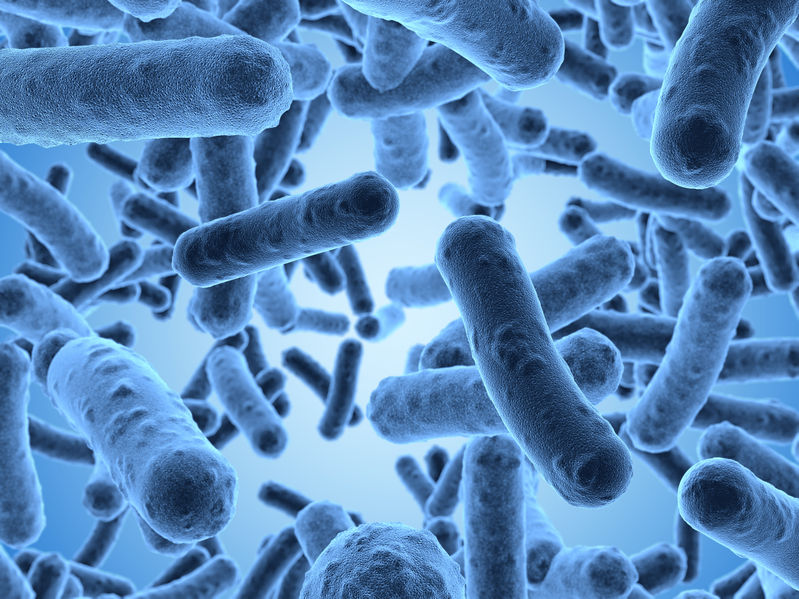
Bowel Dysbiosis The gut micribiota consists of trillions of bacteria, viruses, fungi and bacteriophages and most of these are non-pathogenic i.e. are not producing disease. However, bowel dysbiosis however is the alteration of the makeup of the populations of bowel organisms that can produce disease. Such alterations may occur due to ingested pathogenic bacteria or parasites or the destruction of existing microbial populations by environmental toxins, antibiotics or the high intake of certain food components such as processed foods or a high protein or fat intake. One paper stated: "There is growing evidence that dysbiosis of the gut microbiota is associated with the pathogenesis of both intestinal and extra-intestinal disorders. Intestinal disorders include inflammatory bowel disease, irritable bowel syndrome (IBS), and coeliac disease, while extra-intestinal disorders include allergy, asthma, metabolic syndrome, cardiovascular disease, and obesity1."
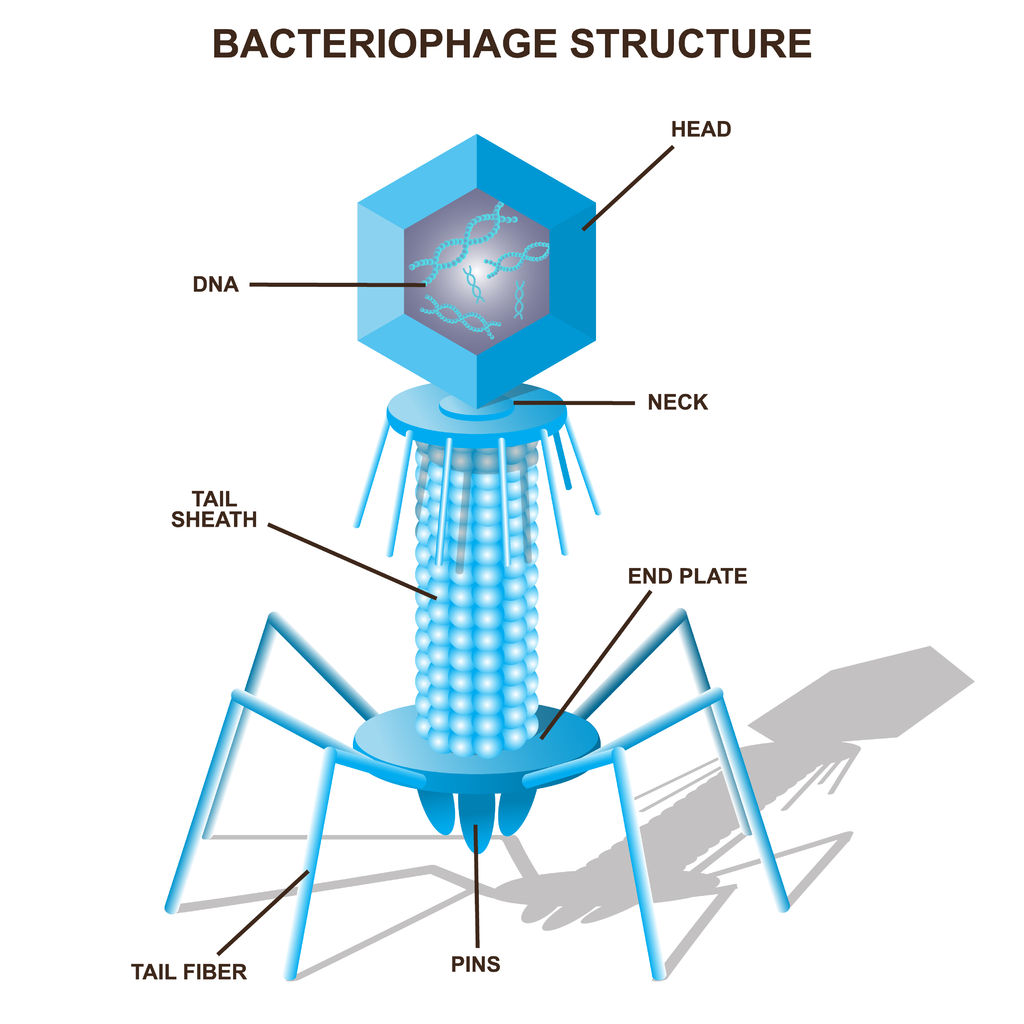
Targeting dysbiosis Many people suffer from bowel problems like irritable bowel syndrome (IBS) which is essentially a relapsing and remitting bowel dysbiosis and it is known that IBS can respond dramatically to antibiotic treatments such as Rifaximin to produce long-lasting effects. People with bowel dysbiosis may simply feel unwell or are often clouded in their mind because of gut-derived toxic metabolites or altered immune responses as a result of these pathogenic (disease-producing) organisms. These are the often forgotten people in medicine as their problems are regarded as 'too hard' to treat or labelled as 'stressed' individuals requiring antidepressants. However, other treatment modalities are emerging that offer tremendous potential in treating common bowel conditions. Bacteriophages are the nemesis of bacteria and of great advantage is the fact that certain bacteriophage viruses attack specific bacterial strains. These bacteriophages look like a lunar space module and the race is on to find probiotic + bacteriophage combinations that can be used to target bacterial strains responsible for dysbiosis in a particular individual. Why microbiome analysis? The trick is to find the bacterial species that are causing disease in you as an individual. The organisms causing dysbiosis will be different for different individuals and knowing the composition of your micribiome becomes critical in determining the appropriate management for you. How it all works
It is envisaged that management may involve one or more of the following:
References:
a8h |